Cupping & Instrument Assisted Soft Tissue Mobilization (IASTM) in Milford
Targeted Soft Tissue Relief for Pain, Tension, and Recovery
Sometimes the key to lasting relief isn’t just the adjustment — it’s addressing what’s happening in the muscle and connective tissue beneath the surface. At Palmer Family Chiropractic, Dr. Tamara Palmer offers cupping therapy and Instrument Assisted Soft Tissue Mobilization (IASTM) as powerful adjunctive therapies to support your chiropractic care and help you feel, move, and function at your best. Whether you’re dealing with chronic muscle tension, a nagging sports injury, post-surgical scar tissue, or a condition that hasn’t fully responded to other treatment, these hands-on therapies can make a meaningful difference.
A Whole-Body Approach to Soft Tissue Health
At Palmer Family Chiropractic, cupping and IASTM are never one-size-fits-all treatments. Dr. Palmer takes the time to understand your health history, your goals, and how your body responds to care before recommending a course of treatment. These therapies are available both as complements to your chiropractic care and as standalone services, and are included in our Bundled Care packages alongside chiropractic, laser therapy, and red light (phototherapy). If you’ve been living with stubborn muscle tension, a slow-healing injury, or pain that keeps coming back, these therapies may be exactly what your care plan has been missing.
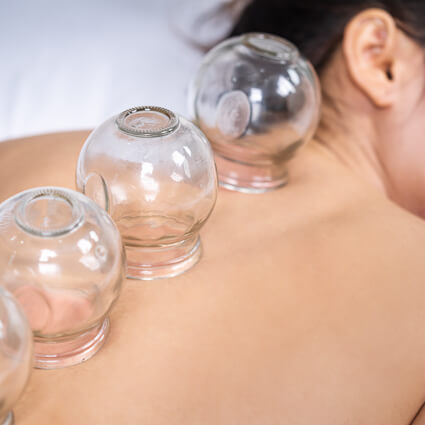
Cupping is one of the oldest forms of soft tissue therapy, and for good reason — it works. Dr. Palmer uses specialized cups applied to the skin to create gentle suction, lifting the underlying muscle fibers and connective tissue (fascia) rather than pressing down on them. This negative pressure improves circulation, reduces inflammation, and helps break up the trapped inflammatory buildup most people know as “knots” or trigger points.
Dry Cupping vs. Sliding Cupping
Dr. Palmer will recommend the cupping approach that best suits your condition:
- Dry Cupping: Cups are placed on the skin using a vacuum seal and left in position for several minutes. This technique is especially effective for localized tension and trigger points.
- Sliding Cupping: A lubricant is applied to the skin so the cups can glide across a broader area, producing a deep-tissue massage effect that covers more ground and improves overall tissue mobility.
What Can Cupping Help With?
Cupping therapy is particularly well-suited for:
- Chronic neck, back, and knee pain
- Muscle soreness and athletic recovery
- Tension headaches and migraines
- Fibromyalgia and widespread muscle tension
- Repetitive posture patterns and activity-related tightness
Patients who find traditional massage or hands-on soft tissue work uncomfortable often tolerate cupping very well, as the lifting action is gentler on sensitized tissue.
How Cupping Supports Your Chiropractic Care
Cupping is frequently used alongside your chiropractic adjustment. By releasing muscle tension and breaking up holding patterns before or after an adjustment, cupping can help your body respond better to care, allow corrections to hold longer, and support a faster overall healing response. Cupping is also available as a standalone therapy for patients who benefit from it on its own.
What to Expect
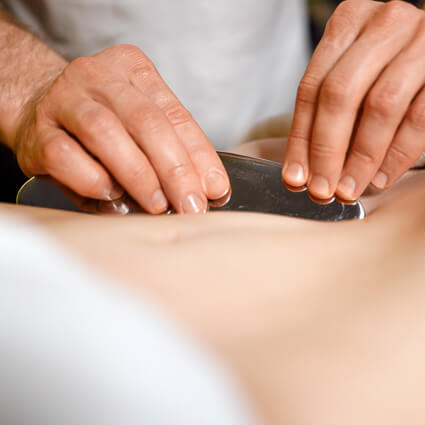
IASTM is a highly effective technique for addressing scar tissue, fascial restrictions, and soft tissue dysfunction that can contribute to pain and limited mobility. Using a specialized stainless steel instrument and a lubricant gel, Dr. Palmer carefully strokes and manipulates the affected area to break down adhesions, stimulate circulation, and restore normal tissue function. You may know this technique by some of its popular brand names — Graston technique, Gua Sha, or simply soft tissue instrument mobilization. Dr. Palmer uses a wide variety of instrument shapes and sizes to precisely target different areas of the body and adapt to each patient’s needs and tolerance.
What Conditions Does IASTM Treat?
Dr. Palmer commonly uses IASTM — often in combination with chiropractic adjustments and laser or red light therapy — to address:
- Plantar fasciitis
- Tennis elbow and golfer’s elbow (epicondylitis)
- Tendinitis and tendinosis of the knee, ankle, wrist, or hip
- Post-surgical scar tissue
- Muscle sprains and strains
- Trigger finger
- Headaches related to fascial tension
When IASTM Is Not Recommended
IASTM is not appropriate in the following situations:
- Open wounds, burns, or active infection
- Fractures or fragile bone conditions
- Active cancer
- Poor circulation conditions, such as diabetic neuropathy or peripheral artery disease
- Bleeding disorders or anticoagulant therapy
If you have any of these conditions, Dr. Palmer will discuss alternative approaches to address your soft tissue concerns safely.
What Does IASTM Feel Like?
Ready to Find Relief?
Contact Palmer Family Chiropractic today to learn more about cupping and IASTM, or to schedule your visit with Dr. Palmer in Milford.